Smaller Incisions, Easier Recovery: A Patient's Guide to Minimally Invasive Surgery
By Roberto Iglesias, MD, FACS, General Surgeon
If you've been told you need an operation, one of the first questions on your mind is probably "How big will the cut be, and how long until I feel like myself again?" For many common operations, the answer today is much better than it was a generation ago, thanks to minimally invasive surgery (MIS).
I do a lot of laparoscopic and robotic surgery. Below I'll explain in plain English what these approaches are, what they can and can't do for you, and how to have the smoothest recovery possible.
What is minimally invasive surgery?
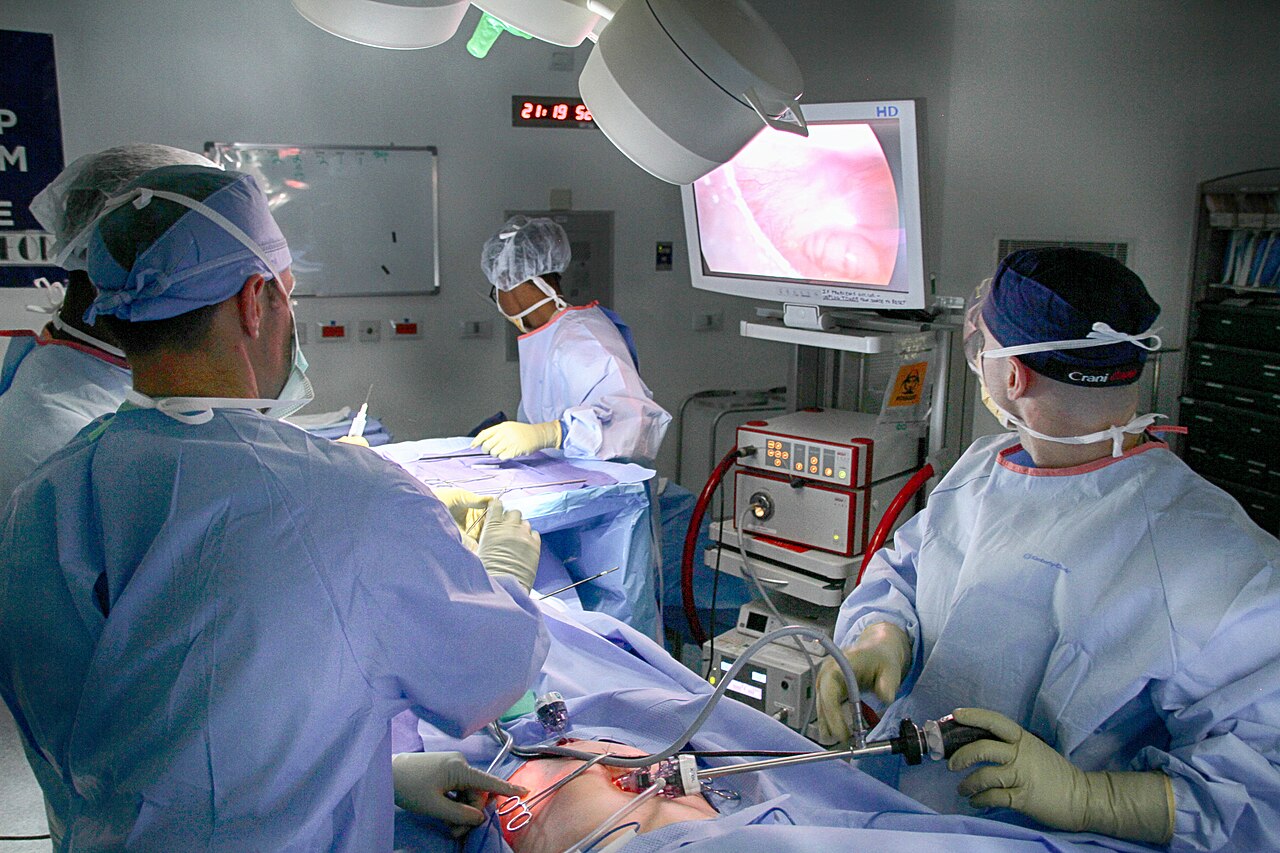
In traditional open surgery, the surgeon makes one larger incision so they can see and work directly with their hands. In minimally invasive surgery, the same operation is done through a few small incisions, usually about the width of a fingertip to an inch.
- Laparoscopic surgery: A thin camera (a laparoscope) goes through one small incision and sends a magnified, high-definition picture to a screen. Long, slender instruments go through the other small incisions. The belly is gently filled with carbon dioxide gas to create room to work. That gas is let out at the end.
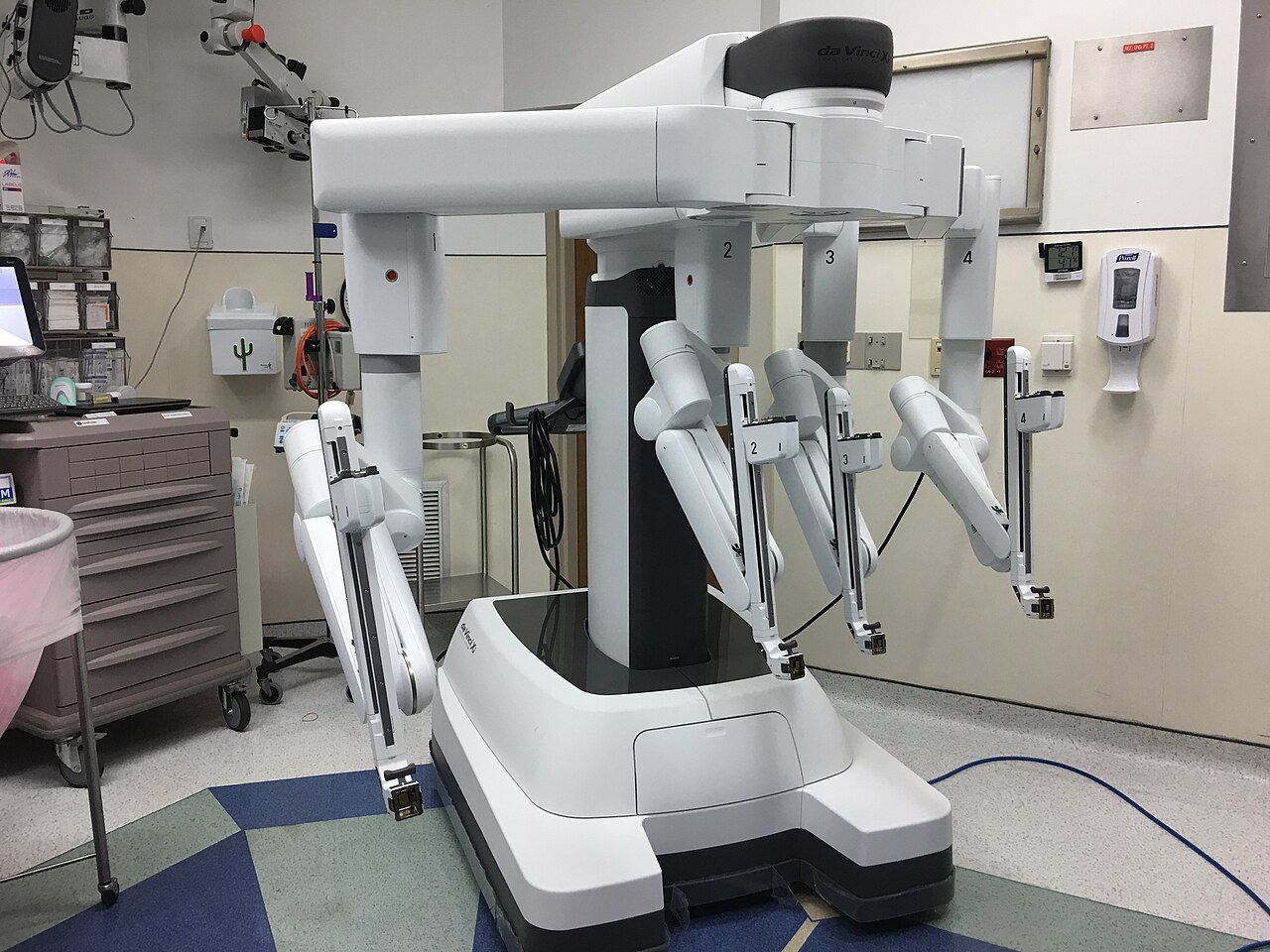
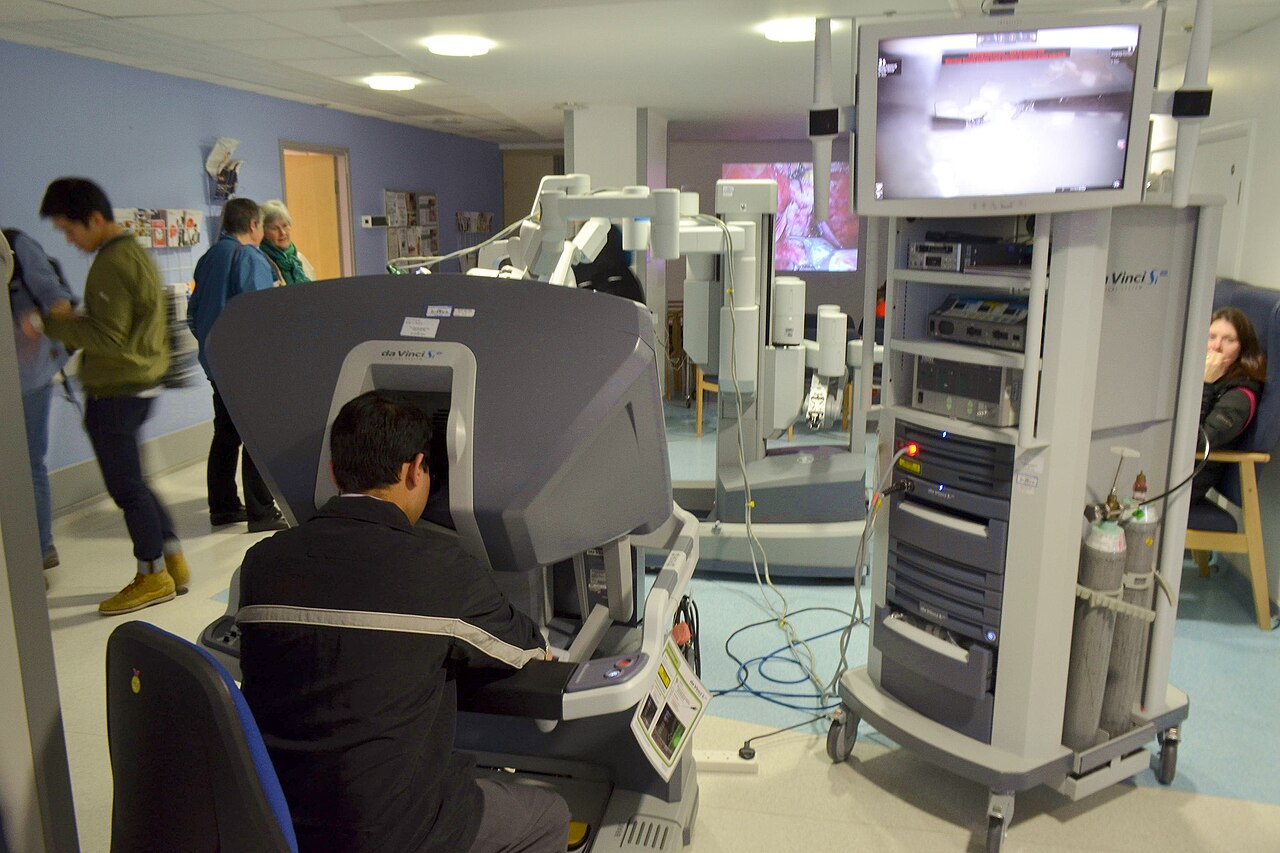
- Robotic-assisted surgery: This is still laparoscopic surgery, but the instruments are held by robotic arms. The robot does not operate on its own. I sit at a console a few feet from you and control every movement. The system gives me a 3D view and wristed instruments that bend and rotate more like a human wrist. That helps with delicate work like stitching deep in the abdomen.
The goal of both is the same: do the same operation inside, with less injury to the outside.
The benefits, and what the research really shows
Smaller incisions mean less cutting through skin and muscle. For the right patient and the right operation, that usually translates into:
- Smaller scars. Several small marks instead of one long one, often hidden near the belly button.
- Less pain after surgery. Many patients need less narcotic pain medicine and switch sooner to simple pain relievers.
- Shorter hospital stay. Many operations are same-day or next-day surgery.
- Faster return to normal activity. Most people get back to walking, driving, and desk work sooner.
- Fewer wound infections. Small incisions give germs less opportunity.
- Fewer incisional hernias. A large incision is a weak spot that can later bulge into a hernia. Small incisions lower that risk.
A few examples from good-quality studies:
- For appendicitis, a large Cochrane review of randomized trials found that laparoscopic appendectomy in adults meant less pain on day one, fewer wound infections, about one day less in the hospital, and a return to normal activities about five days sooner than open surgery. It also found a slightly higher chance of a fluid collection (abscess) inside the belly, which is a good reminder that every approach has trade-offs.
- For colon cancer, the landmark COST trial found that laparoscopic colon surgery gave the same cancer results as open surgery (similar recurrence and survival). It also meant a shorter hospital stay and less time on pain medicine.
- Across abdominal operations, a review of 24 randomized trials found fewer incisional hernias and fewer wound infections after laparoscopic surgery than after open surgery.
An honest note: these benefits are averages, not promises. How you recover depends on your health, the operation, and what we find inside.
Common operations done this way
Many of the general surgery operations I perform are routinely done laparoscopically or robotically:
- Gallbladder removal (cholecystectomy) for gallstones and gallbladder attacks. This is one of the most common minimally invasive operations. Most patients go home the same day.
- Hernia repair: inguinal (groin), umbilical (belly button), ventral, and incisional hernias.
- Appendix removal (appendectomy) for appendicitis.
- Colon surgery (colectomy) for diverticulitis, polyps that can't be removed with a scope, and colon cancer.
- Reflux and hiatal hernia surgery (such as a fundoplication) for heartburn that medicine doesn't control, or for a large hiatal hernia.
Is it right for me? When open surgery is still best
Most people are candidates for minimally invasive surgery, including many who had surgery before or who carry extra weight. Still, the safest operation for you is the one that matters, not the smallest incision. Open surgery may be the better choice when:
- There is heavy scar tissue from previous operations.
- You are very ill, for example with a widespread infection or unstable blood pressure.
- Your heart or lungs may not tolerate the carbon dioxide gas used to inflate the belly.
- A tumor is very large or involves nearby organs.
- It's an emergency where speed is critical.
Sometimes we start laparoscopically and convert to open surgery partway through. That is not a failure or a complication. It's a safety decision, and I'll talk with you about that possibility beforehand.
Tips for a smoother recovery
- Walk early and often. Short walks the same day or the next day help prevent blood clots and pneumonia and help your bowels wake up.
- Stay ahead of pain. Use the plan we give you. Non-narcotic medicines and ice often do most of the work.
- Shoulder pain is common. Leftover gas can irritate the diaphragm and cause pain in the shoulder for a day or two. Walking helps it pass.
- Eat light at first. Start with simple foods, drink plenty of fluids, and prevent constipation, especially if you take narcotics.
- Care for your incisions. Keep them clean and dry. Showering is usually fine. Don't soak in a bath or pool until we say so.
- Lift as instructed. Small incisions heal fast, but the inside needs time too, especially after hernia repair. Follow your specific lifting limits.
- Ask about driving and work. Don't drive while taking narcotic pain medicine. Desk work often resumes within days to a couple of weeks. Physical jobs take longer.
When to call your surgeon
Call our office right away, or go to the emergency room after hours, if you have:
- Fever of 101°F (38.3°C) or higher, or shaking chills
- Redness, warmth, swelling, or pus at an incision
- Pain that is getting worse instead of better, or isn't controlled by your medicine
- Nausea or vomiting that won't stop, or you can't keep liquids down
- Swelling of the belly, or no gas or bowel movement for several days
- Yellow skin or eyes (especially after gallbladder surgery)
- Calf pain or swelling, chest pain, or shortness of breath. Call 911 for chest pain or trouble breathing.
The bottom line
Minimally invasive surgery lets us do many common operations through small incisions. For most patients that means less pain, smaller scars, a shorter hospital stay, and a faster return to the life you love. It isn't right for every person or every situation, and the decision should be made together. If you're facing gallbladder, hernia, appendix, colon, or reflux surgery, I'm happy to talk through your options.
— Roberto Iglesias, MD, FACS
This article is for general education and is not a substitute for personal medical advice.
Sources
- Jaschinski T, et al. Laparoscopic versus open surgery for suspected appendicitis. Cochrane Database Syst Rev. 2018. doi:10.1002/14651858.CD001546.pub4
- Clinical Outcomes of Surgical Therapy (COST) Study Group. A comparison of laparoscopically assisted and open colectomy for colon cancer. N Engl J Med. 2004;350:2050–2059. PubMed 15141043
- Kössler-Ebs JB, et al. Incisional hernia rates after laparoscopic or open abdominal surgery: a systematic review and meta-analysis. World J Surg. 2016;40:2319–2330. PubMed 27146053
Image credits
Incisiones más pequeñas, recuperación más fácil: guía para pacientes sobre la cirugía mínimamente invasiva
Por Roberto Iglesias, MD, FACS, cirujano general
Si le han dicho que necesita una operación, seguramente una de sus primeras preguntas es: "¿Qué tan grande será la herida y cuánto tardaré en sentirme bien otra vez?" Para muchas operaciones comunes, la respuesta hoy es mucho mejor que hace una generación, gracias a la cirugía mínimamente invasiva.
Hago mucha cirugía laparoscópica y robótica. A continuación le explico, en palabras sencillas, qué son estas técnicas, qué pueden y qué no pueden hacer por usted, y cómo tener la recuperación más tranquila posible.
¿Qué es la cirugía mínimamente invasiva?
En la cirugía abierta tradicional, el cirujano hace una incisión más grande para ver y trabajar directamente con las manos. En la cirugía mínimamente invasiva, se hace la misma operación a través de unas pocas incisiones pequeñas, por lo general del ancho de la punta de un dedo hasta unos 2.5 cm (una pulgada).
- Cirugía laparoscópica: Una cámara delgada (el laparoscopio) entra por una incisión pequeña y envía una imagen ampliada y de alta definición a una pantalla. Instrumentos largos y finos entran por las otras incisiones. El abdomen se llena suavemente con gas (dióxido de carbono) para tener espacio para trabajar. Ese gas se saca al final.
- Cirugía asistida por robot: Sigue siendo cirugía laparoscópica, pero los instrumentos los sostienen brazos robóticos. El robot no opera por sí solo. Yo me siento en una consola a pocos pasos de usted y controlo cada movimiento. El sistema me da una visión en 3D e instrumentos con "muñeca" que se doblan y giran como una muñeca humana. Esto ayuda en trabajos delicados, como suturar en lo profundo del abdomen.
El objetivo de ambas es el mismo: hacer la misma operación por dentro, con menos daño por fuera.
Los beneficios y lo que realmente muestran los estudios
Incisiones más pequeñas significan cortar menos piel y músculo. Para el paciente adecuado y la operación adecuada, eso suele traducirse en:
- Cicatrices más pequeñas. Varias marcas pequeñas en lugar de una larga, a menudo escondidas cerca del ombligo.
- Menos dolor después de la cirugía. Muchos pacientes necesitan menos analgésicos narcóticos y pasan antes a analgésicos sencillos.
- Menos días en el hospital. Muchas operaciones son ambulatorias o de una sola noche.
- Regreso más rápido a la vida normal. La mayoría vuelve antes a caminar, manejar y trabajar en oficina.
- Menos infecciones de la herida. Las incisiones pequeñas dan menos oportunidad a los gérmenes.
- Menos hernias en la herida (hernias incisionales). Una incisión grande es un punto débil que con el tiempo puede abultarse y formar una hernia. Las incisiones pequeñas reducen ese riesgo.
Algunos ejemplos de estudios de buena calidad:
- En la apendicitis, una gran revisión Cochrane de estudios aleatorizados encontró que en adultos la apendicectomía laparoscópica produjo menos dolor el primer día, menos infecciones de la herida, cerca de un día menos en el hospital y un regreso a las actividades normales unos cinco días antes que la cirugía abierta. También encontró una probabilidad algo mayor de una acumulación de líquido (absceso) dentro del abdomen, lo que nos recuerda que toda técnica tiene sus pros y contras.
- En el cáncer de colon, el importante estudio COST encontró que la cirugía laparoscópica del colon dio los mismos resultados contra el cáncer que la cirugía abierta (recurrencia y supervivencia similares), con menos días en el hospital y menos tiempo con analgésicos.
- En distintas operaciones del abdomen, una revisión de 24 estudios aleatorizados encontró menos hernias incisionales y menos infecciones de la herida con la cirugía laparoscópica que con la abierta.
Una nota honesta: estos beneficios son promedios, no promesas. Su recuperación depende de su salud, de la operación y de lo que encontremos por dentro.
Operaciones comunes que se hacen así
Muchas de las operaciones de cirugía general que realizo se hacen de rutina por laparoscopía o con robot:
- Extirpación de la vesícula (colecistectomía) por cálculos biliares y ataques de vesícula. Es una de las operaciones mínimamente invasivas más comunes, y la mayoría de los pacientes se van a casa el mismo día.
- Reparación de hernias: inguinales (en la ingle), umbilicales (en el ombligo), ventrales e incisionales.
- Extirpación del apéndice (apendicectomía) por apendicitis.
- Cirugía de colon (colectomía) por diverticulitis, pólipos que no se pueden quitar con un endoscopio y cáncer de colon.
- Cirugía de reflujo y de hernia hiatal (como la funduplicatura) para la acidez que no se controla con medicamentos o para una hernia hiatal grande.
¿Es adecuada para mí? Cuándo la cirugía abierta sigue siendo mejor
La mayoría de las personas pueden tener cirugía mínimamente invasiva, incluso muchas que ya han sido operadas antes o que tienen sobrepeso. Aun así, lo importante es la operación más segura para usted, no la incisión más pequeña. La cirugía abierta puede ser mejor cuando:
- Hay mucho tejido cicatricial (adherencias) de operaciones anteriores.
- Usted está muy enfermo, por ejemplo con una infección extendida o la presión arterial inestable.
- Su corazón o sus pulmones quizá no toleren el gas que se usa para inflar el abdomen.
- Un tumor es muy grande o afecta órganos cercanos.
- Es una emergencia en la que la rapidez es fundamental.
A veces empezamos por laparoscopía y cambiamos a cirugía abierta durante la operación. Eso no es un fracaso ni una complicación. Es una decisión de seguridad, y hablaré con usted de esa posibilidad antes de la cirugía.
Consejos para una recuperación más tranquila
- Camine pronto y seguido. Caminatas cortas el mismo día o al día siguiente ayudan a prevenir coágulos y neumonía, y a que el intestino "despierte".
- Adelántese al dolor. Siga el plan que le damos. Los medicamentos no narcóticos y el hielo muchas veces hacen la mayor parte del trabajo.
- El dolor en el hombro es común. El gas que queda puede irritar el diafragma y causar dolor en el hombro por uno o dos días. Caminar ayuda a que se vaya.
- Coma ligero al principio. Empiece con alimentos sencillos, tome suficientes líquidos y prevenga el estreñimiento, sobre todo si toma narcóticos.
- Cuide sus heridas. Manténgalas limpias y secas. Por lo general puede ducharse. No se meta en tina ni piscina hasta que le digamos.
- Cargue peso solo según las indicaciones. Las incisiones pequeñas sanan rápido, pero por dentro también se necesita tiempo, sobre todo después de reparar una hernia. Siga sus límites específicos.
- Pregunte sobre manejar y trabajar. No maneje mientras tome analgésicos narcóticos. El trabajo de oficina a menudo se retoma en días o un par de semanas. Los trabajos físicos tardan más.
Cuándo llamar a su cirujano
Llame a nuestra oficina de inmediato, o vaya a la sala de emergencias fuera del horario, si tiene:
- Fiebre de 101 °F (38.3 °C) o más, o escalofríos fuertes
- Enrojecimiento, calor, hinchazón o pus en una herida
- Dolor que empeora en lugar de mejorar, o que no se controla con su medicamento
- Náuseas o vómitos que no paran, o no puede retener líquidos
- Abdomen hinchado, o varios días sin gases ni evacuaciones
- Piel u ojos amarillos (sobre todo después de una cirugía de vesícula)
- Dolor o hinchazón en la pantorrilla, dolor de pecho o falta de aire. Llame al 911 si tiene dolor de pecho o dificultad para respirar.
En resumen
La cirugía mínimamente invasiva nos permite hacer muchas operaciones comunes a través de incisiones pequeñas. Para la mayoría de los pacientes eso significa menos dolor, cicatrices más pequeñas, menos días en el hospital y volver más pronto a la vida que usted disfruta. No es adecuada para todas las personas ni para todas las situaciones, y la decisión debemos tomarla juntos. Si usted necesita una cirugía de vesícula, hernia, apéndice, colon o reflujo, con gusto hablamos de sus opciones.
— Roberto Iglesias, MD, FACS
Este artículo es solo para educación general y no reemplaza el consejo médico personal.
Fuentes
- Jaschinski T, et al. Laparoscopic versus open surgery for suspected appendicitis. Cochrane Database Syst Rev. 2018. doi:10.1002/14651858.CD001546.pub4
- Clinical Outcomes of Surgical Therapy (COST) Study Group. A comparison of laparoscopically assisted and open colectomy for colon cancer. N Engl J Med. 2004;350:2050–2059. PubMed 15141043
- Kössler-Ebs JB, et al. Incisional hernia rates after laparoscopic or open abdominal surgery: a systematic review and meta-analysis. World J Surg. 2016;40:2319–2330. PubMed 27146053
Créditos de las imágenes


