Cancer Prevention and Screening: What You Can Do Today
By Roberto Iglesias, MD, FACS, General Surgeon
Last updated: October 17, 2026
Please read: screening and treatment are changing fast. Screening guidelines and cancer therapies are changing rapidly, so check and verify the latest recommendations before making any decision. Because things are changing so quickly, please don't make these decisions on your own. Discuss them with me (your surgeon), your primary care doctor, and your oncologist. This article is general education, not medical advice.
Hearing the word "cancer" is frightening. But here is the encouraging part: many cancers can be prevented, and many more can be found early, when treatment works best. According to the American Cancer Society (ACS), about 40% of cancers in U.S. adults are linked to risk factors we can change. In this article I'll walk you through the most common cancers, what raises your risk, how to lower it, and which screening tests are recommended for you.
The most common cancers in the U.S.
These are the American Cancer Society's estimates for 2026, counting new cases (diagnoses). Like most cancer statistics, they do not include basal cell and squamous cell skin cancers, which are very common but rarely deadly.
Men (new cases):
Prostate: about 333,830
Lung: about 110,910
Colon and rectum (colorectal): about 84,160
Women (new cases):
Breast: about 321,910
Lung: about 118,500
Colorectal: about 74,690
Everyone combined (new cases): prostate (about 333,830), breast (about 324,580, including men), and lung (about 229,410).
Deaths tell a different story. The cancers that cause the most deaths are lung (about 124,990), colorectal (about 55,230), and pancreatic (about 52,740). Lung cancer kills more people than colorectal and pancreatic cancer combined. That's why I've included pancreatic cancer below, even though it isn't among the most common.
Colorectal cancer
Risk factors (ACS): older age, a personal or family history of colorectal cancer or polyps, inflammatory bowel disease (Crohn's or ulcerative colitis), certain inherited syndromes such as Lynch syndrome, excess weight, physical inactivity, smoking, heavy alcohol use, and diets high in red and processed meat.
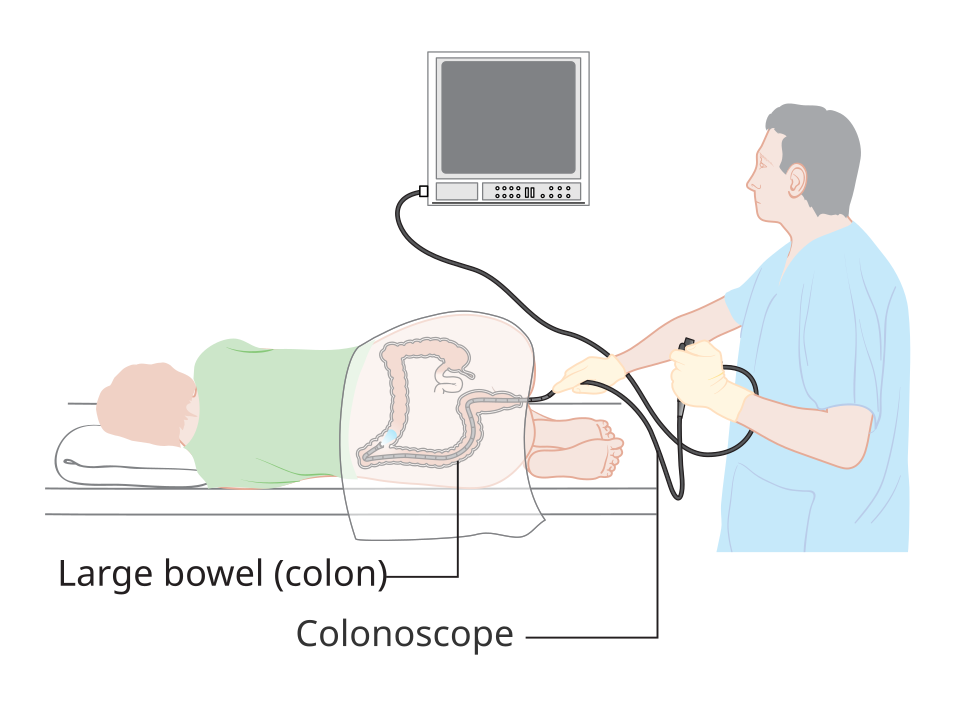
Prevention: stay active, keep a healthy weight, don't smoke, limit alcohol, and eat plenty of vegetables, fruits, and whole grains. Most importantly, get screened. A colonoscopy can find and remove polyps before they ever turn into cancer.
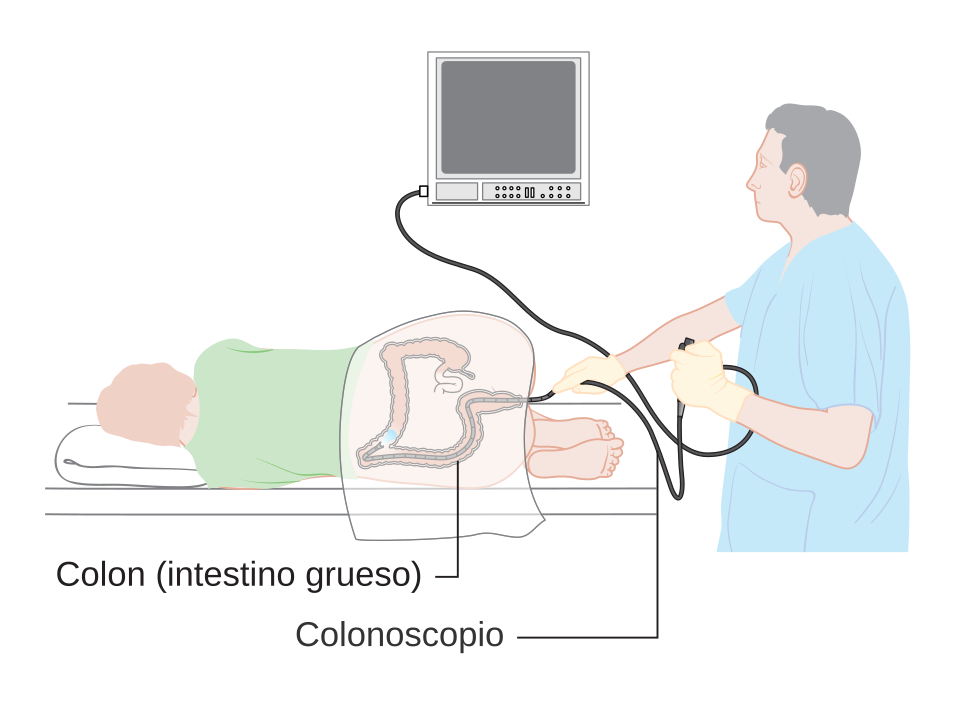
Screening (U.S. Preventive Services Task Force, USPSTF, 2021): adults 45 to 75 should be screened. Options include a colonoscopy every 10 years, a stool test (FIT) every year, a stool DNA test every 1 to 3 years, or a CT colonography every 5 years. Any abnormal stool test or CT needs a follow-up colonoscopy. For ages 76 to 85, the decision is individual. If you have a strong family history or other risk factors, you may need to start earlier.
I perform screening colonoscopies.If you are 45 or older and at average risk, or younger with a higher risk because of your personal or family history, I would be happy to schedule your colonoscopy. I'm also glad to help you choose the screening test that's right for you. To schedule, call my office or visit the Appointments section of my homepage.
Lung cancer
Risk factors:smoking is by far the biggest. According to the ACS, about 87% of lung cancers in men and 84% in women are caused by cigarette smoking. Other risks include secondhand smoke, radon gas in homes, and certain workplace exposures.
Prevention: never start smoking, or quit. It is never too late, and quitting lowers your risk over time. Test your home for radon.
Screening (USPSTF, 2021): a yearly low-dose CT scan for adults 50 to 80 who have a 20 pack-year smoking history (for example, a pack a day for 20 years) and who still smoke or quit within the past 15 years. Screening stops once you've been smoke-free for 15 years.
Breast cancer
Risk factors (ACS): being a woman and getting older, a family history of breast cancer, inherited gene changes such as BRCA1 or BRCA2, dense breasts, radiation to the chest at a young age, alcohol, excess weight after menopause, and physical inactivity.
Prevention: limit alcohol, stay active, and keep a healthy weight. Women at high risk may be offered medicines or other options to lower their risk.
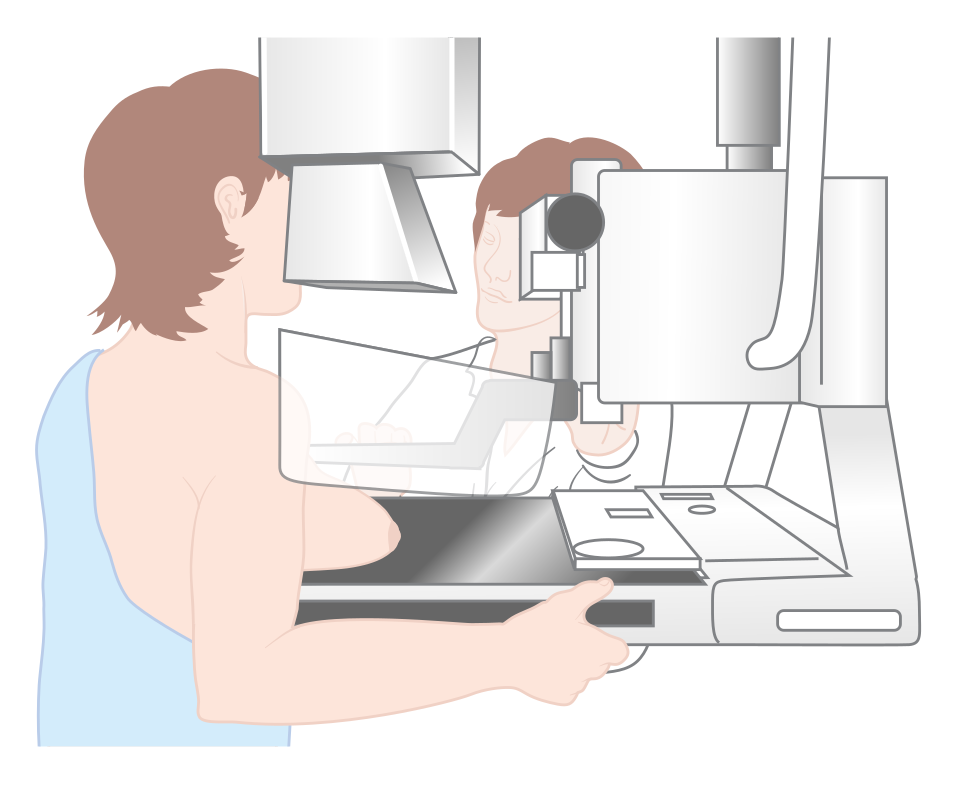
Screening (USPSTF, 2024): a mammogram every 2 years for women 40 to 74. Women at higher risk (for example, a BRCA gene change or a strong family history) may need to start earlier or add a breast MRI; talk with your doctor.
Prostate cancer
Risk factors (USPSTF): the most important are older age, being a Black man, and a family history of prostate cancer.
Screening (USPSTF, 2018): for men 55 to 69, getting a PSA blood test is a personal decision made with your doctor. Screening may slightly lower the chance of dying from prostate cancer, but it can also lead to false alarms, biopsies, and treatment of slow-growing cancers that would never have caused harm. The USPSTF recommends against routine PSA screening at 70 and older. Black men and men with a family history should talk with their doctor about their higher risk. (The USPSTF is currently updating this recommendation.)
Cervical cancer
Cervical cancer isn't in the top three, but it is one of the most preventable cancers. Nearly all cases are caused by HPV (human papillomavirus).
Prevention: the HPV vaccine (see below).
Screening (USPSTF, 2018): a Pap test every 3 years from 21 to 29. From 30 to 65, a Pap test every 3 years, an HPV test every 5 years, or both together every 5 years. Most women can stop after 65 if past screening was normal. (The USPSTF is currently updating this recommendation.)
Pancreatic cancer
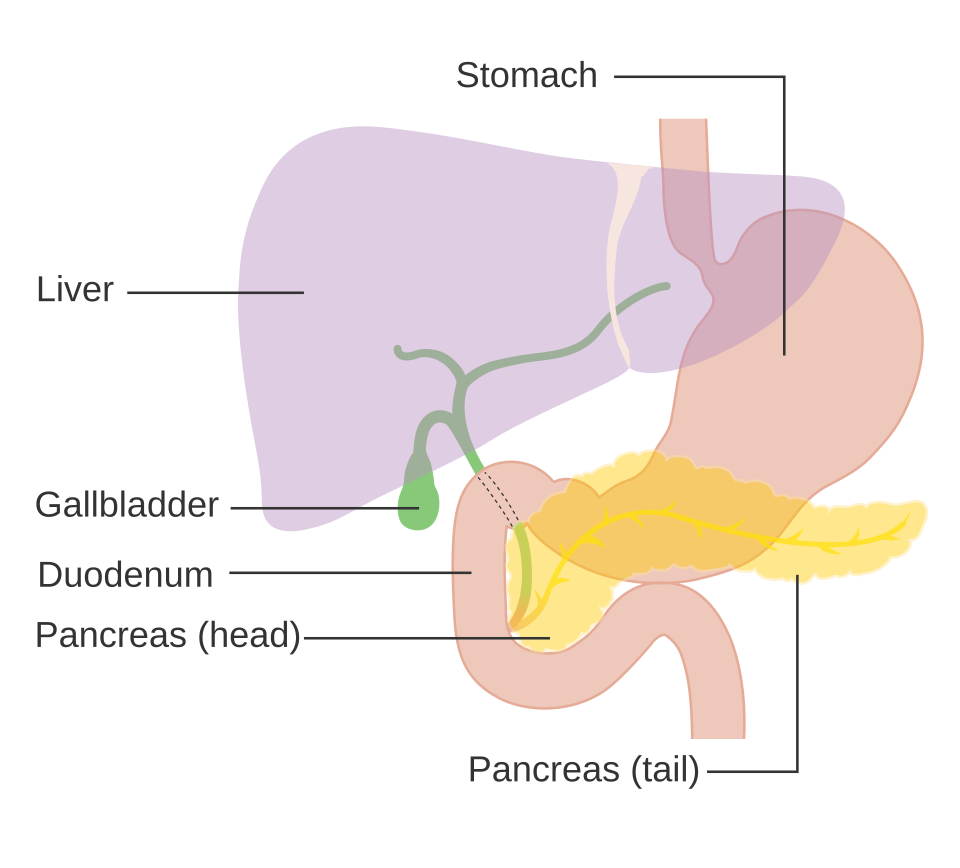
Pancreatic cancer is the third leading cause of cancer death in the U.S., largely because it is usually found late.
Screening: the USPSTF (2019) recommends against screening adults at average risk, because no test has been shown to help.
People at high risk are different. This includes people with a strong family history of pancreatic cancer or certain inherited gene changes (such as BRCA2, PALB2, ATM, Lynch syndrome, CDKN2A, or Peutz-Jeghers syndrome). For selected high-risk people, the international CAPS consortium recommends surveillance with MRI and/or endoscopic ultrasound, done at experienced centers.
Warning signs to report promptly: yellowing of the skin or eyes (jaundice), dark urine or pale stools, unexplained weight loss, belly pain that spreads to the back, and new diabetes in an older adult, especially with weight loss.
Who treats what: my referral note
Please note: I do not treat breast, pancreatic, prostate, lung, or cervical cancer.
If you are diagnosed with one of these cancers, or need further testing for one, I will refer you to my partners or to local specialists who focus on that cancer, so you get the best care. I'm still happy to answer your questions along the way.
Vaccines that prevent cancer
HPV vaccine: protects against the HPV types that cause most cervical cancers, as well as many cancers of the throat, anus, penis, vagina, and vulva. According to the NCI, it is recommended at ages 11 or 12 (it can start at 9) and, for those who missed it, up to age 26. It is FDA approved through age 45, but it isn't routinely recommended from 27 to 45; if you're in that range, ask your doctor.
Hepatitis B vaccine: chronic hepatitis B infection is a major cause of liver cancer, and the vaccine prevents the infection. Ask your doctor whether you're up to date.
Immunotherapy: a treatment, not a screening test
You may have seen ads for immunotherapy. Here's a plain explanation, based on the National Cancer Institute (NCI).
Your immune system has natural "brakes," called checkpoints, that keep it from attacking your own healthy cells. Some cancers use these brakes to hide from the immune system. Checkpoint inhibitors (such as medicines that block PD-1, PD-L1, or CTLA-4) release those brakes so your immune cells can recognize and attack the cancer.
Where it helps: checkpoint inhibitors have changed treatment for many cancers, including melanoma, lung cancer, kidney and bladder cancer, head and neck cancers, and certain colorectal cancers with a feature called MSI-high or mismatch-repair deficiency (dMMR). They don't work for everyone or for every cancer.
Side effects: because the immune system is "revved up," it can attack healthy organs, causing inflammation of the skin (rash), bowel (diarrhea, colitis), lungs, liver, or hormone glands such as the thyroid. Most side effects are manageable if reported early, so tell your cancer team about any new symptoms.
How immunotherapy differs from chemotherapy and radiation
Here's a simple comparison, based on the National Cancer Institute:
Treatment
How it works
Common side effects
Chemotherapy
Drugs that kill or slow fast-growing cells. This includes cancer cells, but also some healthy cells that divide quickly, like those in the mouth, intestines, and hair roots.
Tiredness, nausea, mouth sores, hair loss, and low blood counts (which can raise the risk of infection).
Radiation therapy
High doses of radiation aimed at a specific part of the body to damage and kill the cancer cells there.
Tiredness, plus effects that depend on the area treated, because nearby healthy cells can be affected.
Immunotherapy
Helps your own immune system recognize and attack the cancer.
Different from chemo: the "revved-up" immune system can inflame healthy organs, such as the skin, bowel, lungs, liver, or thyroid.
Many people receive more than one of these treatments, sometimes along with surgery. Your oncologist will explain which ones fit your cancer.
Important: immunotherapy treats cancer that has already been found. It does not prevent cancer, and it is not a screening test.
Multi-cancer blood tests (like Galleri)
You may hear about a single blood test that looks for signals from many cancers at once. The best known is Galleri. Here's what we know as of October 2026:
Not FDA approved yet. On September 23, 2026, an FDA advisory panel voted 7 to 2 (with one abstention) that its benefits outweigh its risks, but the FDA is not bound by that vote and has not made a final decision. The test is available by prescription and costs about $949, usually not covered by insurance.
PATHFINDER study (6,621 adults 50 and older): the test flagged a cancer signal in 1.4% of people. Of those, 38% actually had cancer, and 62% were false alarms that led to more tests.
It misses many cancers, especially early ones. In the main validation study, it detected about 51% of cancers overall, but only about 17% of stage I cancers.
NHS-Galleri trial (about 140,000 people in England; full results published September 2026): the test did not meet its main goal of reducing stage 3 and 4 cancers combined. It did find more cancers through screening and fewer stage 4 cancers.
It does not replace your colonoscopy, mammogram, Pap/HPV test, or lung CT. A negative result does not mean you are cancer-free.
If you're curious about one of these tests, let's talk it through together so you understand what a positive or negative result would mean for you.
Genetic testing for hereditary cancer risk
Some families carry inherited gene changes (such as BRCA1/BRCA2 or Lynch syndrome) that greatly raise cancer risk. According to the NCI, genetic counseling and testing may be appropriate if you have:
Several close relatives with the same or related cancers
Cancer diagnosed at a young age in you or a relative
More than one cancer in the same person
A known gene change in your family
A positive result can mean earlier or extra screening and preventive options for you and your relatives. If your family history raises concern, I'm happy to arrange genetic counseling.
Everyday prevention
Don't smoke or vape, and avoid secondhand smoke. According to the ACS, smoking is the leading changeable cause of cancer.
Limit alcohol. Less is better.
Keep a healthy weight and stay active.
Protect your skin from the sun and avoid tanning beds (see my skin cancer article).
Get vaccinated against HPV and hepatitis B.
Keep up with screening. Put your next test on the calendar.
A reminder: guidelines and therapies are changing rapidly. Please verify the latest recommendations, and don't make screening or treatment decisions on your own. Discuss them with me (your surgeon), your primary care doctor, and your oncologist. This is general education, not medical advice.
The bottom line
You can't control every risk, but you can make a big difference: don't smoke, stay active, watch your weight and alcohol, get vaccinated, and keep up with your recommended screenings. If you have questions about your own risk or which tests are right for you, I'm happy to talk with you.
— Roberto Iglesias, MD, FACS
This article is for general education and is not a substitute for personal medical advice.
Siegel RL, et al. Cancer statistics, 2026. CA Cancer J Clin. 2026;76(1):e70043. Full text
Islami F, et al. Proportion of cancer cases and deaths attributable to potentially modifiable risk factors in the United States, 2019. CA Cancer J Clin. 2024;74:405–432. PubMed
Goggins M, et al. Management of patients with increased risk for familial pancreatic cancer: updated recommendations from the International Cancer of the Pancreas Screening (CAPS) Consortium. Gut. 2020;69:7–17. PubMed
Schrag D, et al. Blood-based tests for multicancer early detection (PATHFINDER). Lancet. 2023;402:1251–1260. PubMed
Klein EA, et al. Clinical validation of a targeted methylation-based multi-cancer early detection test. Ann Oncol. 2021;32:1167–1177. PubMed
Prevención y detección temprana del cáncer: lo que usted puede hacer hoy
Por Roberto Iglesias, MD, FACS, Cirujano General
Última actualización: 17 de octubre de 2026
Por favor, lea esto: la detección y el tratamiento están cambiando rápidamente. Las guías de detección y los tratamientos contra el cáncer cambian con mucha rapidez, así que revise y verifique las recomendaciones más recientes antes de tomar cualquier decisión. Debido a estos cambios tan rápidos, le pido que no tome estas decisiones por su cuenta. Háblelas conmigo (su cirujano), con su médico de atención primaria y con su oncólogo. Este artículo es educación general, no consejo médico.
Escuchar la palabra "cáncer" da miedo. Pero aquí está lo alentador: muchos cánceres se pueden prevenir, y muchos más se pueden detectar temprano, cuando el tratamiento funciona mejor. Según la Sociedad Americana Contra el Cáncer (ACS), cerca del 40% de los cánceres en adultos de EE. UU. están relacionados con factores de riesgo que podemos cambiar. En este artículo le explico los cánceres más comunes, qué aumenta su riesgo, cómo reducirlo y qué pruebas de detección se recomiendan para usted.
Los cánceres más comunes en EE. UU.
Estas son las estimaciones de la Sociedad Americana Contra el Cáncer para 2026, contando casos nuevos (diagnósticos). Como la mayoría de las estadísticas de cáncer, no incluyen los cánceres de piel basocelular y espinocelular, que son muy comunes pero rara vez mortales.
Hombres (casos nuevos):
Próstata: cerca de 333,830
Pulmón: cerca de 110,910
Colon y recto (colorrectal): cerca de 84,160
Mujeres (casos nuevos):
Seno (mama): cerca de 321,910
Pulmón: cerca de 118,500
Colorrectal: cerca de 74,690
Todos juntos (casos nuevos): próstata (cerca de 333,830), seno (cerca de 324,580, incluyendo hombres) y pulmón (cerca de 229,410).
Las muertes cuentan otra historia. Los cánceres que causan más muertes son el de pulmón (cerca de 124,990), el colorrectal (cerca de 55,230) y el de páncreas (cerca de 52,740). El cáncer de pulmón causa más muertes que el colorrectal y el de páncreas juntos. Por eso incluyo el cáncer de páncreas más abajo, aunque no esté entre los más comunes.
Cáncer colorrectal
Factores de riesgo (ACS): mayor edad, antecedentes personales o familiares de cáncer colorrectal o pólipos, enfermedad inflamatoria intestinal (Crohn o colitis ulcerosa), ciertos síndromes hereditarios como el síndrome de Lynch, exceso de peso, falta de actividad física, fumar, consumo excesivo de alcohol y una dieta alta en carnes rojas y procesadas.
Prevención: manténgase activo, mantenga un peso saludable, no fume, limite el alcohol y coma muchas verduras, frutas y granos integrales. Lo más importante: hágase las pruebas de detección. Una colonoscopia puede encontrar y quitar pólipos antes de que se conviertan en cáncer.
Detección (Grupo de Trabajo de Servicios Preventivos de EE. UU., USPSTF, 2021): los adultos de 45 a 75 años deben hacerse pruebas. Las opciones incluyen una colonoscopia cada 10 años, una prueba de heces (FIT) cada año, una prueba de ADN en heces cada 1 a 3 años, o una colonografía por tomografía (CT) cada 5 años. Cualquier prueba de heces o tomografía anormal necesita una colonoscopia de seguimiento. De 76 a 85 años, la decisión es individual. Si tiene antecedentes familiares fuertes u otros factores de riesgo, quizás deba empezar antes.
Yo realizo colonoscopias de detección.Si usted tiene 45 años o más y un riesgo promedio, o es más joven pero tiene un riesgo mayor por sus antecedentes personales o familiares, con gusto programo su colonoscopia. También con gusto le ayudo a elegir la prueba de detección adecuada para usted. Para hacer una cita, llame a mi consultorio o visite la sección de citas de mi página principal.
Cáncer de pulmón
Factores de riesgo:fumar es, por mucho, el mayor. Según la ACS, cerca del 87% de los cánceres de pulmón en hombres y el 84% en mujeres se deben al cigarrillo. Otros riesgos incluyen el humo de segunda mano, el gas radón en las casas y ciertas exposiciones en el trabajo.
Prevención: nunca empiece a fumar, o déjelo. Nunca es tarde, y dejar de fumar reduce su riesgo con el tiempo. Revise si hay radón en su casa.
Detección (USPSTF, 2021): una tomografía de baja dosis cada año para adultos de 50 a 80 años con un historial de 20 paquetes-año (por ejemplo, una cajetilla al día por 20 años) y que todavía fuman o dejaron de fumar en los últimos 15 años. La detección se suspende cuando lleva 15 años sin fumar.
Cáncer de seno (mama)
Factores de riesgo (ACS): ser mujer y la edad, antecedentes familiares de cáncer de seno, cambios genéticos heredados como BRCA1 o BRCA2, senos densos, radiación al pecho a una edad temprana, alcohol, exceso de peso después de la menopausia y falta de actividad física.
Prevención: limite el alcohol, manténgase activa y mantenga un peso saludable. A las mujeres de alto riesgo se les pueden ofrecer medicamentos u otras opciones para reducir su riesgo.
Detección (USPSTF, 2024): una mamografía cada 2 años para mujeres de 40 a 74 años. Las mujeres de mayor riesgo (por ejemplo, con un cambio en BRCA o antecedentes familiares fuertes) quizás deban empezar antes o agregar una resonancia magnética de seno; hable con su médico.
Cáncer de próstata
Factores de riesgo (USPSTF): los más importantes son la edad avanzada, ser un hombre de raza negra y tener antecedentes familiares de cáncer de próstata.
Detección (USPSTF, 2018): para hombres de 55 a 69 años, hacerse la prueba de sangre del PSA es una decisión personal que se toma con su médico. La prueba puede reducir un poco la probabilidad de morir de cáncer de próstata, pero también puede llevar a falsas alarmas, biopsias y tratamiento de cánceres de crecimiento lento que nunca habrían causado daño. El USPSTF recomienda no hacer la prueba de rutina a partir de los 70 años. Los hombres de raza negra y los que tienen antecedentes familiares deben hablar con su médico sobre su mayor riesgo. (El USPSTF está actualizando esta recomendación.)
Cáncer de cuello uterino (cervical)
El cáncer de cuello uterino no está entre los tres primeros, pero es uno de los más prevenibles. Casi todos los casos son causados por el VPH (virus del papiloma humano).
Prevención: la vacuna contra el VPH (vea más abajo).
Detección (USPSTF, 2018): una prueba de Papanicolaou cada 3 años de los 21 a los 29 años. De los 30 a los 65, un Papanicolaou cada 3 años, una prueba de VPH cada 5 años, o ambas juntas cada 5 años. La mayoría de las mujeres pueden dejar de hacerse la prueba después de los 65 si sus resultados anteriores fueron normales. (El USPSTF está actualizando esta recomendación.)
Cáncer de páncreas
Posición del páncreas. (Rótulos del diagrama en inglés.)
El cáncer de páncreas es la tercera causa de muerte por cáncer en EE. UU., en gran parte porque normalmente se descubre tarde.
Detección: el USPSTF (2019) recomienda no hacer pruebas de detección a adultos de riesgo promedio, porque ninguna prueba ha demostrado ayudar.
Las personas de alto riesgo son diferentes. Esto incluye a personas con fuertes antecedentes familiares de cáncer de páncreas o ciertos cambios genéticos heredados (como BRCA2, PALB2, ATM, síndrome de Lynch, CDKN2A o síndrome de Peutz-Jeghers). Para algunas personas de alto riesgo, el consorcio internacional CAPS recomienda vigilancia con resonancia magnética y/o ultrasonido endoscópico, en centros con experiencia.
Factores de riesgo: fumar, exceso de peso, diabetes, pancreatitis crónica y edad avanzada.
Señales de alarma que debe reportar pronto: color amarillo en la piel o los ojos (ictericia), orina oscura o heces pálidas, pérdida de peso sin explicación, dolor de estómago que se extiende a la espalda y diabetes nueva en un adulto mayor, sobre todo con pérdida de peso.
Quién trata qué: mi nota sobre referencias
Tenga en cuenta: yo no trato el cáncer de seno, páncreas, próstata, pulmón ni cuello uterino.
Si a usted le diagnostican uno de estos cánceres, o necesita más estudios para uno de ellos, le referiré a mis colegas o a especialistas locales que se dedican a ese cáncer, para que reciba la mejor atención. Con gusto seguiré respondiendo sus preguntas en el camino.
Vacunas que previenen el cáncer
Vacuna contra el VPH: protege contra los tipos de VPH que causan la mayoría de los cánceres de cuello uterino, y muchos cánceres de garganta, ano, pene, vagina y vulva. Según el NCI, se recomienda a los 11 o 12 años (puede empezar a los 9) y, para quienes no la recibieron, hasta los 26 años. Está aprobada por la FDA hasta los 45 años, pero no se recomienda de rutina de los 27 a los 45; si usted está en esa edad, pregúntele a su médico.
Vacuna contra la hepatitis B: la infección crónica por hepatitis B es una causa importante de cáncer de hígado, y la vacuna previene la infección. Pregúntele a su médico si está al día.
Inmunoterapia: un tratamiento, no una prueba de detección
Quizás haya visto anuncios sobre la inmunoterapia. Aquí tiene una explicación sencilla, basada en el Instituto Nacional del Cáncer (NCI).
Su sistema inmunitario tiene "frenos" naturales, llamados puntos de control, que evitan que ataque a sus propias células sanas. Algunos cánceres usan estos frenos para esconderse del sistema inmunitario. Los inhibidores de puntos de control (como los medicamentos que bloquean PD-1, PD-L1 o CTLA-4) sueltan esos frenos para que sus células de defensa reconozcan y ataquen el cáncer.
Dónde ayuda: estos medicamentos han cambiado el tratamiento de muchos cánceres, como el melanoma, el cáncer de pulmón, el de riñón y vejiga, los de cabeza y cuello, y ciertos cánceres colorrectales con una característica llamada MSI alta o deficiencia de reparación de errores (dMMR). No funcionan para todas las personas ni para todos los cánceres.
Efectos secundarios: como el sistema inmunitario queda "acelerado", puede atacar órganos sanos y causar inflamación de la piel (sarpullido), el intestino (diarrea, colitis), los pulmones, el hígado o glándulas como la tiroides. La mayoría se pueden controlar si se reportan a tiempo, así que avise a su equipo de cáncer sobre cualquier síntoma nuevo.
En qué se diferencia la inmunoterapia de la quimioterapia y la radiación
Aquí tiene una comparación sencilla, basada en el Instituto Nacional del Cáncer:
Tratamiento
Cómo funciona
Efectos secundarios comunes
Quimioterapia
Medicamentos que matan o frenan las células que crecen rápido. Esto incluye las células del cáncer, pero también algunas células sanas que se dividen rápido, como las de la boca, los intestinos y las raíces del cabello.
Cansancio, náuseas, llagas en la boca, caída del cabello y conteos sanguíneos bajos (que pueden aumentar el riesgo de infección).
Radioterapia
Dosis altas de radiación dirigidas a una parte específica del cuerpo para dañar y matar las células del cáncer en esa zona.
Cansancio, y otros efectos que dependen de la zona tratada, porque las células sanas cercanas pueden verse afectadas.
Inmunoterapia
Ayuda a su propio sistema inmunitario a reconocer y atacar el cáncer.
Distintos a los de la quimio: el sistema inmunitario "acelerado" puede inflamar órganos sanos, como la piel, el intestino, los pulmones, el hígado o la tiroides.
Muchas personas reciben más de uno de estos tratamientos, a veces junto con cirugía. Su oncólogo le explicará cuáles son adecuados para su cáncer.
Importante: la inmunoterapia trata un cáncer que ya se encontró. No previene el cáncer y no es una prueba de detección.
Pruebas de sangre para varios cánceres (como Galleri)
Quizás escuche hablar de una sola prueba de sangre que busca señales de muchos cánceres a la vez. La más conocida es Galleri. Esto es lo que sabemos a octubre de 2026:
Todavía no está aprobada por la FDA. El 23 de septiembre de 2026, un panel asesor de la FDA votó 7 a 2 (con una abstención) que sus beneficios superan sus riesgos, pero la FDA no está obligada a seguir ese voto y no ha tomado una decisión final. La prueba está disponible con receta y cuesta cerca de $949; por lo general el seguro no la cubre.
Estudio PATHFINDER (6,621 adultos de 50 años o más): la prueba detectó una señal de cáncer en el 1.4% de las personas. De ellas, el 38% realmente tenía cáncer, y el 62% fueron falsas alarmas que llevaron a más estudios.
No detecta muchos cánceres, sobre todo los tempranos. En el principal estudio de validación, detectó cerca del 51% de los cánceres en general, pero solo cerca del 17% de los cánceres en etapa I.
Estudio NHS-Galleri (cerca de 140,000 personas en Inglaterra; resultados completos publicados en septiembre de 2026): la prueba no cumplió su objetivo principal de reducir los cánceres en etapas 3 y 4 juntos. Sí encontró más cánceres por detección y menos cánceres en etapa 4.
No reemplaza su colonoscopia, mamografía, Papanicolaou/prueba de VPH ni la tomografía de pulmón. Un resultado negativo no significa que usted no tenga cáncer.
Si tiene curiosidad por una de estas pruebas, hablemos juntos para que entienda qué significaría para usted un resultado positivo o negativo.
Pruebas genéticas para el riesgo hereditario de cáncer
Algunas familias tienen cambios genéticos heredados (como BRCA1/BRCA2 o el síndrome de Lynch) que aumentan mucho el riesgo de cáncer. Según el NCI, la asesoría y las pruebas genéticas pueden ser apropiadas si usted tiene:
Varios familiares cercanos con el mismo cáncer o cánceres relacionados
Cáncer diagnosticado a una edad temprana en usted o un familiar
Más de un cáncer en la misma persona
Un cambio genético conocido en su familia
Un resultado positivo puede significar pruebas de detección más tempranas o adicionales y opciones preventivas para usted y sus familiares. Si sus antecedentes familiares le preocupan, con gusto le organizo una asesoría genética.
Prevención de todos los días
No fume ni use vapeadores, y evite el humo de segunda mano. Según la ACS, fumar es la principal causa evitable de cáncer.
Limite el alcohol. Menos es mejor.
Mantenga un peso saludable y manténgase activo.
Proteja su piel del sol y evite las camas de bronceado (vea mi artículo sobre el cáncer de piel).
Vacúnese contra el VPH y la hepatitis B.
Manténgase al día con sus pruebas de detección. Anote su próxima prueba en el calendario.
Un recordatorio: las guías y los tratamientos cambian rápidamente. Verifique las recomendaciones más recientes y no tome decisiones de detección o tratamiento por su cuenta. Háblelas conmigo (su cirujano), con su médico de atención primaria y con su oncólogo. Esto es educación general, no consejo médico.
En resumen
No puede controlar todos los riesgos, pero sí puede hacer una gran diferencia: no fume, manténgase activo, cuide su peso y el alcohol, vacúnese y hágase las pruebas de detección recomendadas. Si tiene preguntas sobre su propio riesgo o qué pruebas le convienen, con gusto hablamos.
— Roberto Iglesias, MD, FACS
Este artículo es para educación general y no sustituye el consejo médico personal.
Siegel RL, et al. Cancer statistics, 2026. CA Cancer J Clin. 2026;76(1):e70043. Texto completo (en inglés)
Islami F, et al. Proporción de casos y muertes por cáncer atribuibles a factores de riesgo modificables en EE. UU., 2019. CA Cancer J Clin. 2024;74:405–432. PubMed